Online Reporter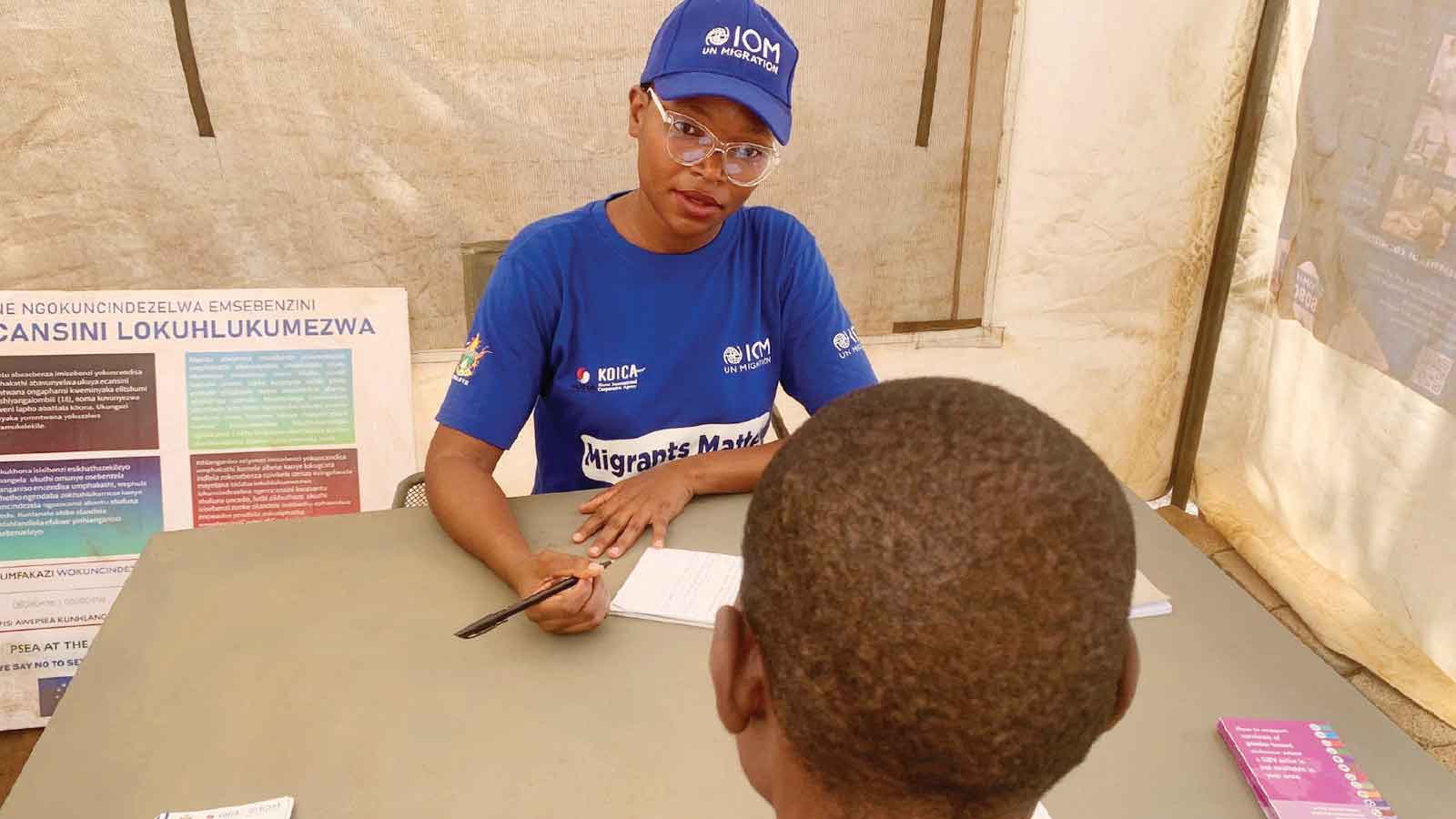
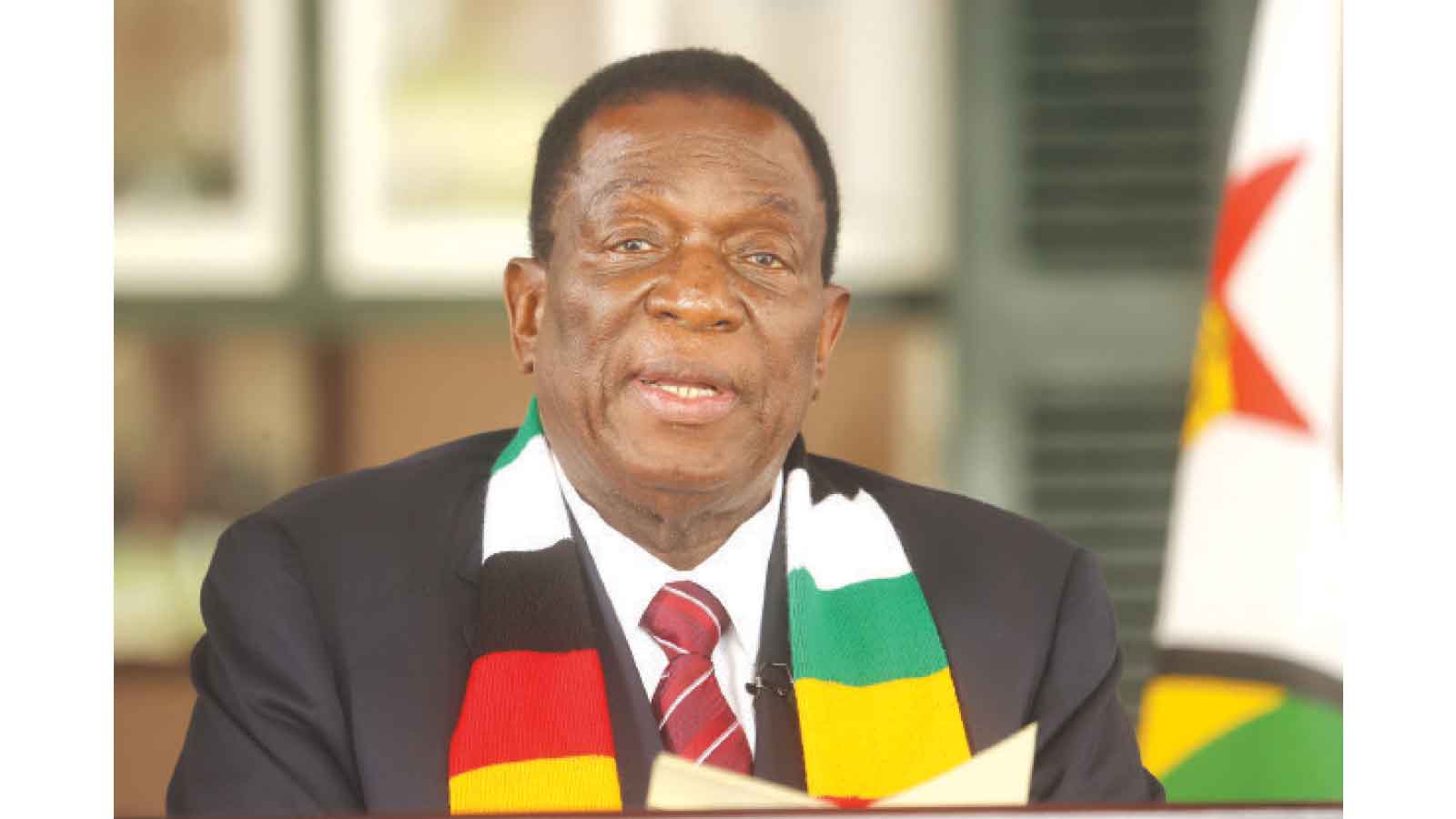
Ambassador Park Jae Kyung & Diana Cartier
Recent developments in South Africa concerning migration governance and undocumented migrants have once again brought migration to the forefront of public discussion.
For many Zimbabweans living and working abroad, they have served as a reminder that migration can offer opportunity, but also uncertainty.
While many migrants continue to make valuable contributions to the economies and societies in which they live, changing circumstances can also lead some to return home — either by choice or necessity.
What happens after they return is just as important as the journey itself.
Migration discussions often focus on border management or the movement of people.
Yet successful migration governance does not end at the border.
Reintegration is an equally important part of the migration cycle.
It determines whether returnees can rebuild their lives with dignity, restore their livelihoods and contribute meaningfully to their communities.
Reintegration is therefore not simply a humanitarian concern.
It is development priority that advances resilience, social inclusion and migrant protection.
Recognising this, the International Organisation for Migration (IOM), with support from the government of the Republic of Korea, through the Korea International Cooperation Agency (KOICA), is implementing a community-based reintegration programme in Mberengwa, Goromonzi, Buhera and Epworth.
Working closely with two non-governmental organisation (NGO) partners — Civic Forum for Human Development and Zimbabwe Food for the Hungry International — and in collaboration with the Government of Zimbabwe, local authorities and communities, the programme helps returnees rebuild their lives while strengthening the communities that receive them home.
The programme reflects a holistic approach to reintegration.
First, upon return in Zimbabwe, at the points of entry of Beitbridge, Chirundu and Plumtree, returnees receive psychosocial counselling to help them recover from the emotional and social challenges often associated with migration and return.
But this support is also offered to returnees and other community members once back in their communities, recognising that mental health support is ongoing and can be imperative to successful reintegration.
Vocational and business skills training equips them with practical tools to secure employment or establish small enterprises.
Livelihood support enables individuals and families to build sustainable sources of income and regain self-reliance.
Across project districts,1 800 of returnees and community members have participated in skills development and livelihood initiatives.
But perhaps the programme’s most distinctive feature is that reintegration is not designed only for returnees — It is built together with the communities in which they live.
Across Mberengwa, Goromonzi, Buhera and Epworth, community members and returnees work together to identify local priorities and implement projects that benefit everyone.
First, groups work on a community development plan that outlines the needs and priorities of the community.
This is also an opportunity to bring returnees and the host community together to discuss social cohesion, address tensions that arise in communities of high return, discuss gender-based violence, all the while focusing on tangible objectives for improving the communities.
Depending on local needs, they have jointly constructed or improved health clinics, police posts or other community facilities.
These are not structures delivered to communities; they are structures created by communities.
Working side by side to build shared infrastructure creates something even more valuable than bricks and mortar.
It strengthens trust between neighbours, fosters social cohesion and creates a shared sense of ownership. Reintegration succeeds when returnees and host communities see themselves not as separate groups, but as partners working towards a common future.
This spirit of solidarity continued well beyond the project activities.
In Goromonzi, several participants, who received goats as part of the livelihood support, voluntarily chose to share the first offspring of their goats, goat milk and agricultural produce with vulnerable returnees and households in their communities.
In Buhera, where a health post was constructed, community members used their own resources to build outdoor toilets and a waste zone for the health post.
These actions reflected the trust and shared sense of ownership fostered through the reintegration process, demonstrating that successful reintegration is about strengthening communities as well as rebuilding lives.
This community-based approach also recognises the strengths that returnees bring home.
They return not only with personal belongings but also with skills, work experience, resilience and new ideas acquired through years of living and working elsewhere.
Given the right opportunities, they become entrepreneurs, skilled workers, farmers, mentors and community leaders who contribute to Zimbabwe’s economic and social development.
The Republic of Korea’s longstanding commitment to human-centered development reflects the importance of investing in people, communities and opportunity.
Korea’s own development journey demonstrates that sustainable progress is built not only through physical infrastructure but also through human capacity, community participation and long-term partnership.
Through KOICA’s support for this programme, Korea is pleased to work alongside IOM, the Government of Zimbabwe and local communities to help create lasting opportunities for returnees and their families.
IOM is committed to continue working with its partners and notably communities affected by high mobility to ensure that sustainable opportunities are provided so that migration becomes a safe choice and not a difficult necessity for individuals or their families.
No single institution can address migration challenges alone.
Effective reintegration requires partnership among governments, international organisations, development partners, civil society, traditional leaders and communities themselves.
When each stakeholder plays its part, return can become more than a homecoming but the beginning of renewal.
As Southern Africa continues to navigate the opportunities and challenges of migration, we should remember that behind every migration story is a person seeking dignity, security and hope.
Supporting returnees is not simply about helping individuals.
It is about strengthening families, building resilient communities and investing in Zimbabwe’s future.
When reintegration is supported by partnership, dignity and opportunity, return becomes more than an end point; it becomes a foundation for stronger communities and a more resilient Zimbabwe.
Park Jae Kyung is the Ambassador of the Republic of Korea to Zimbabwe, while Diana Cartier is the chief of mission for the International Organisation for Migration (IOM) Zimbabwe.